Skip to content
Defining Dyslexia

For university & college students

Dyslexia assessments for university and college students

If you are a university or college student and you suspect you have dyslexia, or you have always wondered but never had a formal assessment, a diagnostic assessment can help you understand your learning profile and identify appropriate next steps. Whether you are exploring Disabled Students' Allowance, discussing support with your university or simply trying to understand how you learn, an assessment can provide useful evidence and clearer answers.

Face-to-face across Sheffield, South Yorkshire and Peterborough · Remote UK-wide

Illustration of three students talking together on a university campus, with signs about opportunity, support, understanding and achievement
Clear answers, practical next steps
University & college students
Typically 2–3 hours
£495 full assessment

Start with what you know

Get the assessment and answers you need

Assessments are available face-to-face across Sheffield, South Yorkshire, and Peterborough, or remotely anywhere across the UK.

You do not need to have a previous diagnosis or a referral from your GP, university or anyone else to get in touch. If you have a previous school-age assessment, your university or DSA provider can advise whether it provides the evidence they currently require or whether a new assessment would be helpful.

Not sure whether assessment is the right next step?

Explore the patterns first with our free indicator check.

Take the free adult indicator check

The wider profile

Dyslexia rarely travels alone

Students often notice more than one thing: reading and writing speed, but also attention, planning and coordination. Where it is relevant, the assessment looks at the whole cognitive profile rather than reading and spelling in isolation, and the report can note traits associated with ADHD or dyspraxia (Developmental Coordination Disorder) where the evidence points that way.

To be clear about what this is, and is not

  • A dyslexia assessment can identify dyslexia, and can describe traits associated with ADHD or dyspraxia where they appear significant.
  • It is not a formal diagnosis of ADHD, autism or dyspraxia/DCD. Defining Dyslexia does not provide those diagnoses, and no additional service or fee is involved.
  • Where a different professional is the right next step, that can be explained and appropriate onward referral discussed.

Educational ADHD traits screening describes how traits present in learning; it is not a medical diagnosis. Download our free quick guide: A Quick Guide to ADHD (PDF)

Notes about attention and concentration are observations rather than diagnoses. Defining Dyslexia can assess dyslexia and wider specific learning difficulties. Download our free quick guide: A Quick Guide to Attention and Concentration (PDF)

The assessment

What does the assessment involve?

A Defining Dyslexia assessment is a detailed, one-to-one evaluation covering reading accuracy and fluency, spelling, writing speed, phonological processing, and memory. It is designed to build a clear picture of your individual learning profile, including areas of strength and difficulty, and to identify whether a specific learning difficulty such as dyslexia is present.

Most assessments take around two to three hours. Shorter split sessions are available where needed. Every assessment concludes with a full written report that meets SASC standards and includes clear, practical recommendations relevant to university study.

The report can support

  • Conversations with your university disability service
  • Applications for Disabled Students' Allowance (DSA)
  • Discussions about reasonable adjustments
  • Understanding your individual learning profile

A full assessment considers several areas together.

Literacy: reading accuracy, reading fluency, reading comprehension, single-word reading and spelling.

Cognitive processing: phonological awareness, phonological memory, rapid naming, working memory and processing speed.

Writing: writing speed, legibility, structure and organisation, and composition and vocabulary.

Where appropriate, additional areas may also be explored, and recommendations for further professional input will be made when needed. The aim is to understand the complete pattern of strengths and difficulties.

Pages from a Defining Dyslexia assessment report

Evidence and next steps

How the next steps fit together

It is worth understanding the difference between a diagnostic assessment and a needs assessment before you start your DSA application.

  • A diagnostic assessment is carried out by a specialist assessor and identifies whether you have a specific learning difficulty such as dyslexia. This is what Defining Dyslexia provides.
  • A needs assessment is a separate appointment arranged through your DSA provider once your diagnostic report has been accepted. It looks at what support and equipment would help you most during your studies.
  • If you are seeking support through your university or DSA, it is always worth checking whether they have any specific evidence requirements. Defining Dyslexia is also happy to liaise with university disability services where needed.
See what is inside a report

Understanding dyslexia a little better

Two of the questions asked most often before an assessment, answered in plain English.

Questions students ask

Frequently asked questions from university clients

01What if I feel I have more than dyslexia?

It is not uncommon for dyslexia to occur alongside other neurodevelopmental differences, including ADHD and dyspraxia. Trait-based screening for these conditions can be included as part of an adult assessment. See the adult assessments page for full details of what this involves and what the resulting report can be used for.

02Will my university accept the report?

Defining Dyslexia reports are written to current SASC standards by a PATOSS-registered assessor holding an Assessment Practising Certificate (APC). If you are seeking support through your university or DSA, it is always worth checking whether they have any specific evidence requirements.

03Do I need a previous diagnosis to book?

No. Many students come to Defining Dyslexia without any previous assessment or diagnosis. You do not need a referral from your GP, your university, or anyone else. You simply need to get in touch and we will take it from there.

04How long does it take to receive my report?

Your written report will typically be with you within twenty working days of your assessment. If you have an urgent deadline, such as a DSA application or an upcoming exam period, mention this when you get in touch and we will do our best to accommodate you.

Whatever the outcome

A clearer picture and a practical way forward

Not every assessment results in a diagnosis of dyslexia. The purpose of an assessment is to understand your individual profile, rather than to reach a predetermined outcome.

If the evidence does not support dyslexia, this does not necessarily mean that you will not be able to access support at university. Your assessment may still identify areas of difficulty that are affecting your studies, alongside important areas of strength.

I will explain what your results show and what they may mean for you as a student. Where appropriate, I can help you understand the next steps to explore with your university, disability or student support service.

Whatever the diagnostic outcome, the aim is for you to leave with a clearer understanding of your learning profile, practical recommendations and a way forward.

Transparent pricing

£495

A full diagnostic assessment with a comprehensive written report and practical recommendations. Venue fees or additional adult screening are discussed before anything is confirmed.

View full pricing

Where it happens

Options that fit around your course

Term-time diaries rarely leave room for a day of travel. Remote assessment is the usual choice for students, and face-to-face assessment at home or another agreed setting is available within the service areas.

Remotely

A full diagnostic assessment online, wherever you are studying. This is the most common choice for students and is usually the quickest to arrange.

  • Same £495 fee and the same report for study support and DSA evidence
  • Can be split across shorter sessions around lectures
  • No need to be in your home town or on campus

At home

Face-to-face assessment at your home, or at your family home in the holidays, where there is a quiet private space.

  • Useful if you are back home over a vacation
  • Available within the face-to-face service areas

Another agreed setting

Another suitable location can be discussed, including a room your university or college arranges for you.

  • Any university or college room has to be booked and agreed by them, not by us
  • The room needs to be quiet, private and available for the full session

If you would prefer an alternative arranged venue, please ask. Where an external venue has to be hired, an additional venue cost may apply, and it would always be agreed with you beforehand.

The £495 fee covers the assessment, the report and travel within the normal face-to-face service areas. There is no Defining Dyslexia clinic or assessment centre, the service travels instead. Where you specifically ask for an alternative arranged venue that has to be hired, an additional venue cost may apply and is always agreed with you before anything is booked. Full pricing.

Can the assessment take place at my university?

Only where your university or college arranges and agrees a suitable private room. Defining Dyslexia cannot book campus space on your behalf. In practice most students choose remote assessment, which avoids the arrangement entirely.

I am not near Sheffield or Peterborough. Can I still be assessed?

Yes. Remote assessment is available across the UK and produces the same full diagnostic report, which is what your disability service or funding body will be looking at.

Before the assessment

We build the picture together

An assessment is not just a series of tests. It brings together what you notice, what education has seen and what the assessment day shows. A few things are genuinely useful to think about beforehand:

  • Tell us what already works
  • Your course and where you are in it
  • What is hardest right now
  • Your education before this

You do not need any of this before getting in touch. We work with the information available and help you identify anything else that may be useful.

Areas we cover

Face-to-face or remote, UK-wide

Face-to-face assessments are available across two main regions (South Yorkshire and Cambridgeshire) covering a wide area across both. Remote assessments are available for students anywhere in the UK.

South Yorkshire

Sheffield, Doncaster, Barnsley, Rotherham, Chesterfield and the Peaks.

See Sheffield assessments

Cambridgeshire & Rutland

Peterborough, Stamford, Rutland and surrounding areas.

See Peterborough assessments

Anywhere in the UK

Remote assessments are available for children, adults and students across the UK.

Explore remote assessments

Local information

Looking for local SEND support?

Your university or college disability service is the main route to support while you are studying, and Disabled Students' Allowances are assessed nationally rather than locally. If you are under 25 and still connected to your home authority, its Local Offer may also list post-16 support worth knowing about.

Local Offer links by area

Official Local Offer and SEND advice links for each area we work in, alongside the assessment page for that area. Defining Dyslexia is an independent service and is not part of, or endorsed by, any local authority.

Local dyslexia & SEND information

Evidence and adjustments

What is the evidence actually for?

Different organisations ask for different things, and an existing report is often enough. These pages explain who decides and what is usually required, including benefits, where a dyslexia report is only ever part of the picture.

Evidence and adjustments

Exams, university and DSA, driving theory tests, professional qualifications, apprenticeships and work.

Evidence hub

PIP and dyslexia

The everyday activities considered within a Personal Independence Payment application, and the other evidence that may be required alongside a dyslexia report.

Read the PIP guidance

Already have a report?

Check what it already contains before arranging anything new. Nobody should pay twice for evidence they already hold.

Do I need a new assessment?
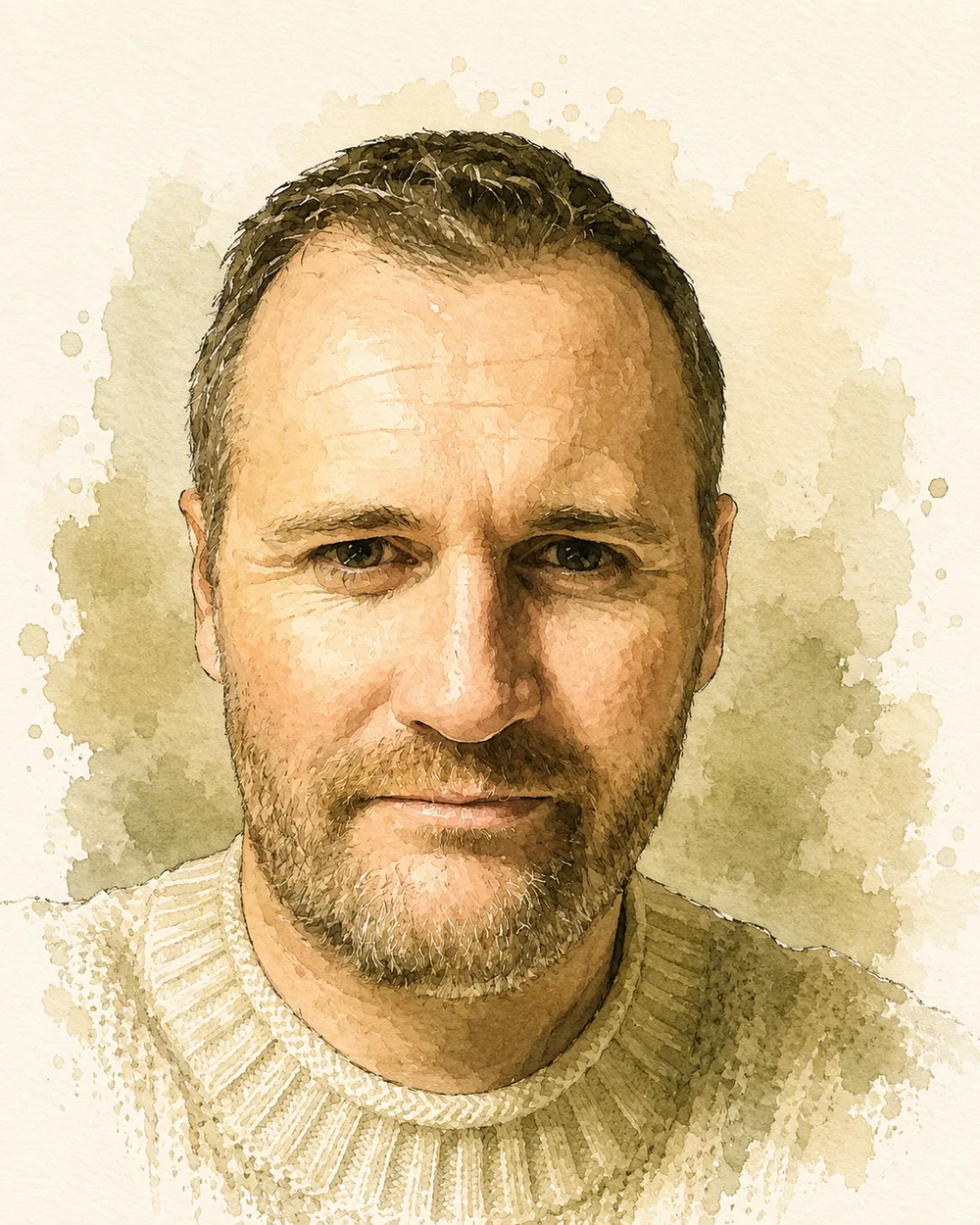
Watercolour portrait of Mark, specialist dyslexia assessor

About your assessor

Mark

Every Defining Dyslexia assessment is carried out by Mark, a PATOSS-registered specialist assessor with fifteen years of experience supporting children, young people and adults with dyslexia and other learning differences. Mark holds an Assessment Practising Certificate (APC) and works to the standards set by SASC.

He is also a qualified teacher and former SENCo, bringing a practical understanding of how assessment findings can be used in education, the workplace and everyday life.

Learn more about your assessor

Ready to take the next step?

Tell us a little about the situation and we will respond within one working day. No pressure, no jargon, just a calm first conversation.

Start an enquiry