
Parents & families
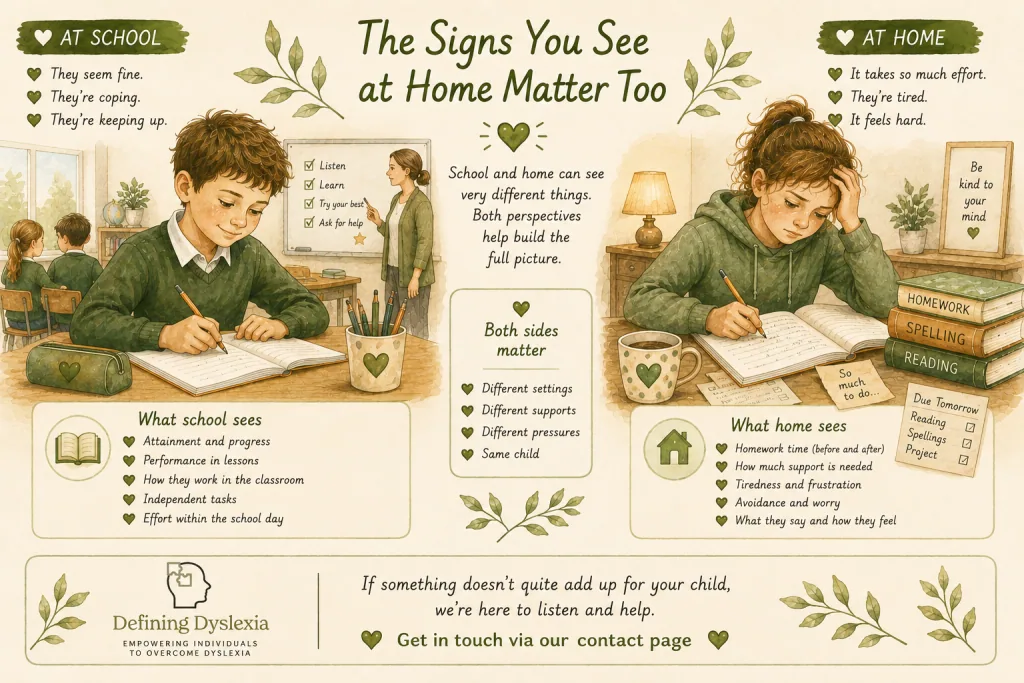
The Signs You See at Home Matter Too: When School and Home See Different Things
“They seem fine at school.”
Read the articleKnowledge Centre
A growing library of plain-English articles on dyslexia, assessment and support, written by Mark, a specialist dyslexia assessor, for parents, adults, students, schools and professionals. Browse by topic, or search for the question you came here with.
Searching filters the article library below. More articles are added regularly.
Browse by topic
Pathway
Clear guidance about evidence for school examinations, university and DSA, driving theory tests, professional qualifications, apprenticeships, workplace adjustments, DLA and PIP.
Looking for practical tools rather than paperwork? Our guide to technology and assistive tools for dyslexia covers reading, writing, speech-to-text, planning and study support for children, adults, students and professionals.
Featured guidance
“They seem fine at school.”
Read the articleYour child is meeting expectations at school.
If you have decided to book a dyslexia assessment, you may be wondering how to choose the right assessor. A quick online search often brings up dozens of providers, all offering similar…
Article library
Showing 62 of 62 articles

Dyslexia is developmental and often runs in families. Here is what is understood about genetics and the brain, what does not cause dyslexia, and how it is actually identified.
Read the article
Most people with dyslexia see text exactly as everyone else does. Here is what is really going on when reading is hard, what visual stress is, and why the two are not the same thing.
Read the article
Dyslexia can fall within the Equality Act 2010 definition of disability, though a diagnosis does not settle the question by itself. Here is how the legal test works and what it means at school, at university and at work.
Read the article“They seem fine at school.”
Read the article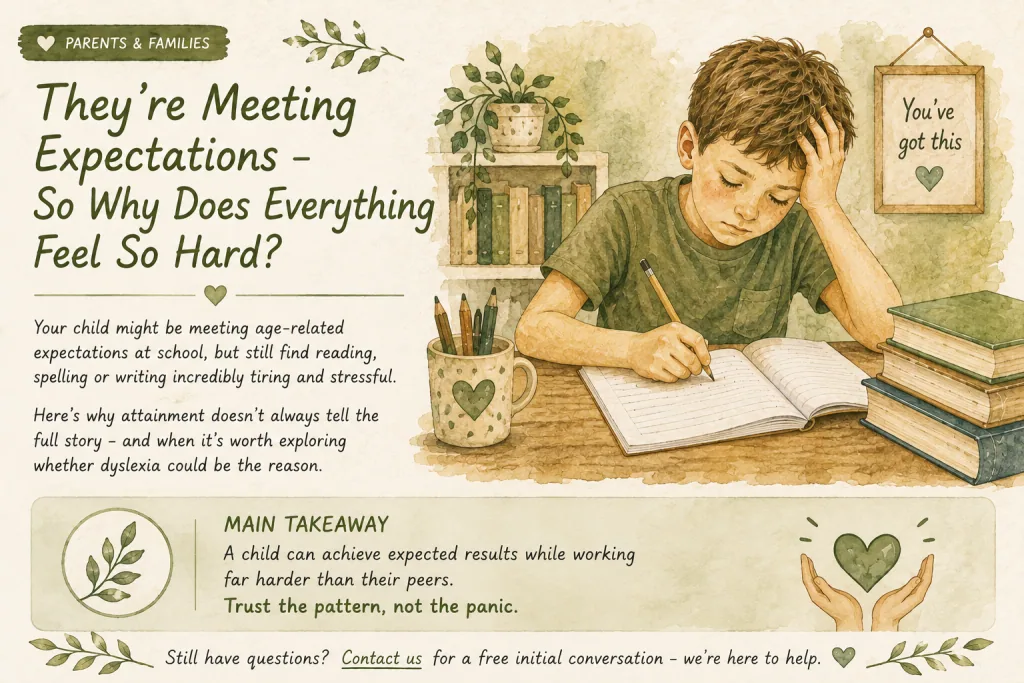
Your child is meeting expectations at school.
Read the article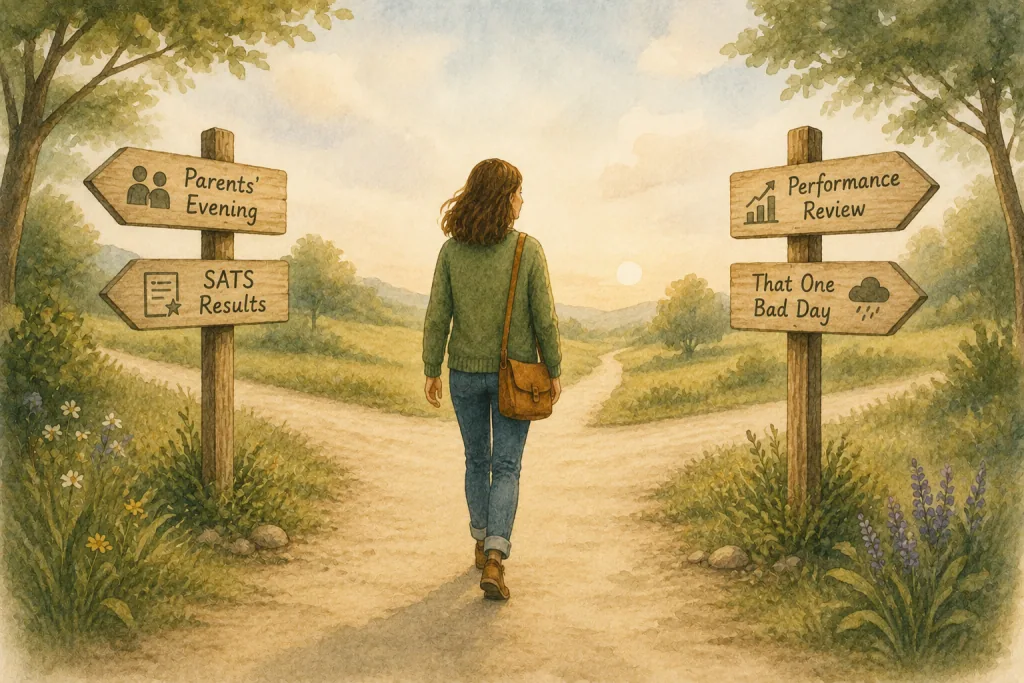
Most people don't wake up one day and decide, out of nowhere, to look into a dyslexia assessment. Something usually prompts it. The trouble is, the moments people wait for aren't always…
Read the article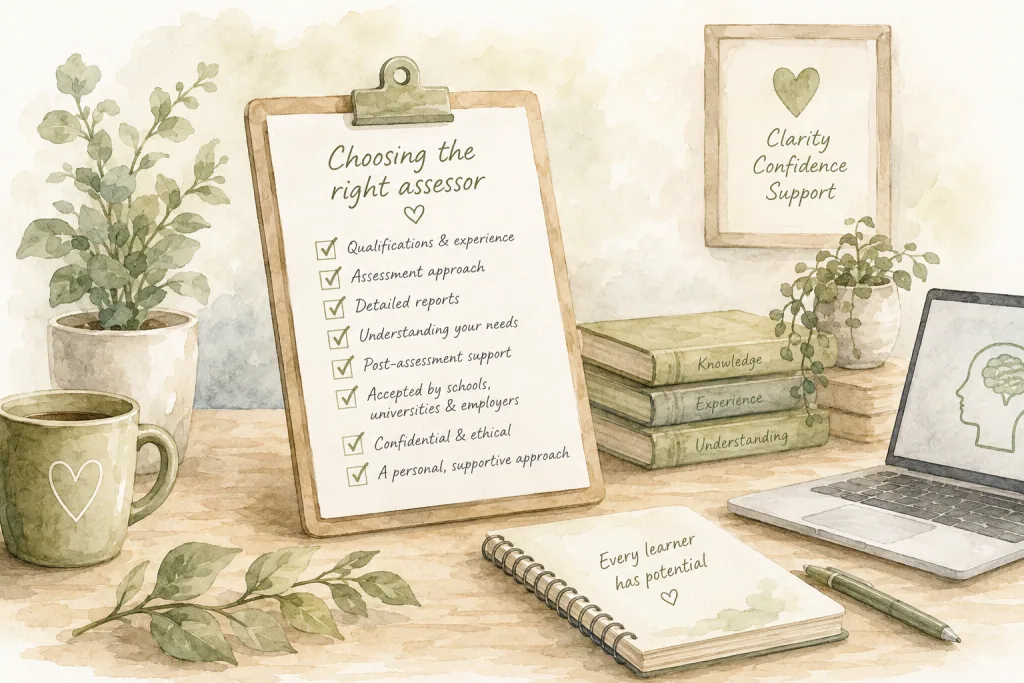
If you have decided to book a dyslexia assessment, you may be wondering how to choose the right assessor. A quick online search often brings up dozens of providers, all offering similar…
Read the article
It is a question that comes up often, particularly from parents whose child is managing in school but clearly finding things harder than they should. Can dyslexia be mild? And if it can,…
Read the article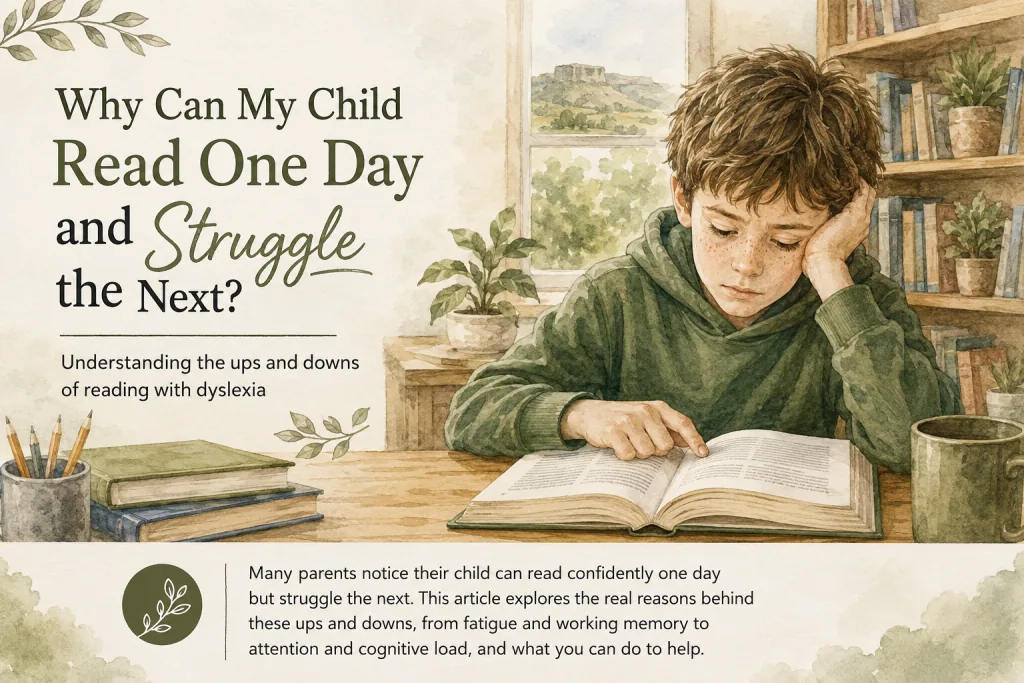
It can be confusing when a child reads a passage confidently one day, yet struggles with similar words or text the next. Parents may wonder whether their child is rushing, not…
Read the article
Getting a dyslexia diagnosis for your child is often a relief. It gives a name to something you have been noticing for a long time, and it opens the door to proper support. However, many…
Read the article
When parents and adults start looking for a dyslexia assessment, the first search is usually some version of "dyslexia assessment near me." It feels like the most practical place to…
Read the article
It helps to understand what a formal assessment actually measures. It looks closely at reading, spelling, memory, and processing speed, alongside several other cognitive areas. Dyslexia…
Read the article
If your child has had a dyslexia assessment, you may have seen the term working memory in the report. It often comes up as an area of difficulty, and it can be one of the harder concepts…
Read the article
If your child goes quiet when the teacher asks the class to read aloud, you are not imagining it. For many children with dyslexia, reading aloud is one of the most difficult and exposed…
Read the article
If your child has been assessed with dyslexia, you may have heard the phrase exam access arrangements. It can sound bureaucratic, and many parents are unsure what it actually means in…
Read the article
Secondary school brings a step change in demands. There are more subjects, more teachers, more reading, and more writing under pressure. For a young person with dyslexia, that step…
Read the article
Dyslexia at primary school is often easy to miss. The child in question is usually bright, curious and full of ideas. Reading and writing simply do not click in the way they do for…
Read the article
If you have raised concerns about your child's reading, writing, or spelling and felt like you were talking to a wall, you are not alone. Many parents describe the same experience. A…
Read the article
Many people search for “types of dyslexia”, expecting there to be several distinct diagnoses. Whilst these terms are still widely used online, current understanding suggests that…
Read the article
If you are searching for a dyslexia assessment in Peterborough, you are probably feeling a mix of worry and frustration. Perhaps your child is struggling at school, and you are not…
Read the article
The cost of an assessment is one thing. How you pay for it is another, and it is a fair question to ask before you book. Most people pay for a private assessment themselves. There are a…
Read the article
A plain-English look at what makes up the cost of a diagnostic dyslexia assessment. It is a fair question, and you deserve a clear answer before you commit to anything. At Defining…
Read the article
If you've spent any time navigating the world of SEND support, you may have encountered a deeply frustrating experience, and being told by your local authority that dyslexia isn't…
Read the article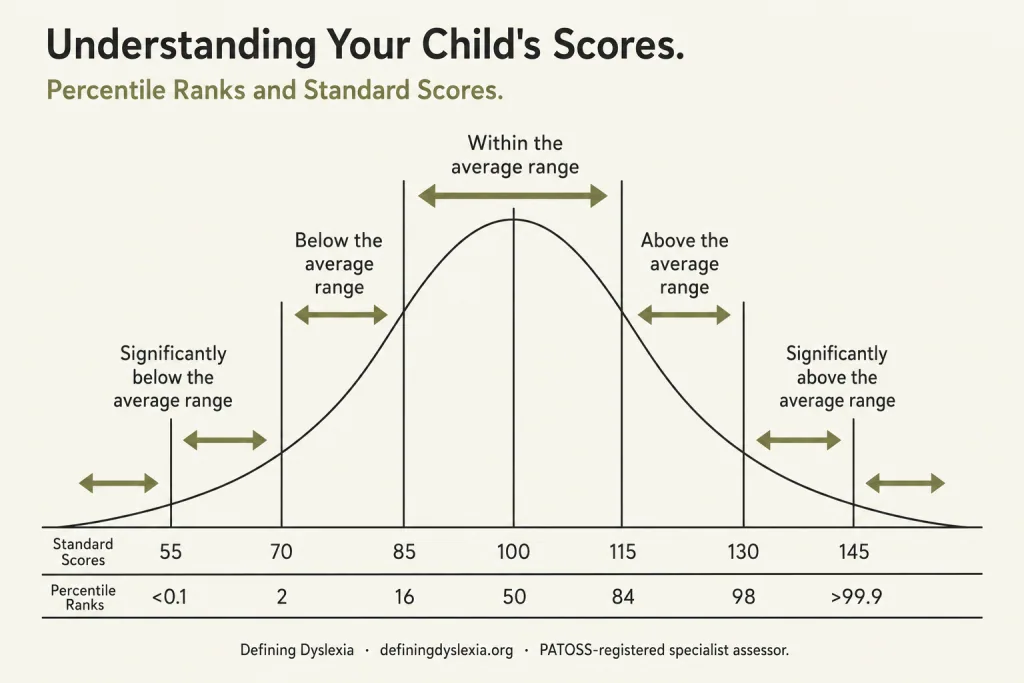
When parents receive a dyslexia assessment report, one of the first things they notice is the numbers. There are scores for reading, spelling, memory, processing speed, and more, and it…
Read the article
If your child is being assessed for dyslexia, or if you are exploring why they are finding learning harder than expected, you may have come across the term cognitive assessment. It can…
Read the article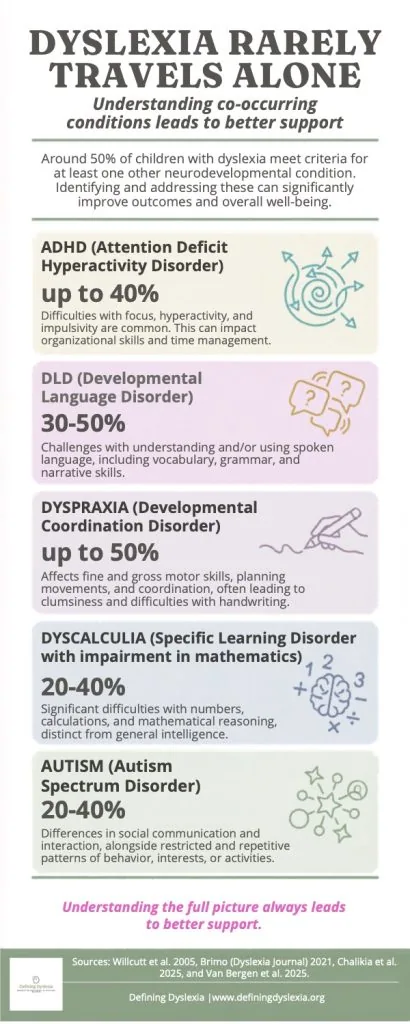
For many people, dyslexia doesn't arrive alone. Around 40% of individuals with dyslexia also meet the criteria for ADHD, and yet the two are often treated as entirely separate…
Read the article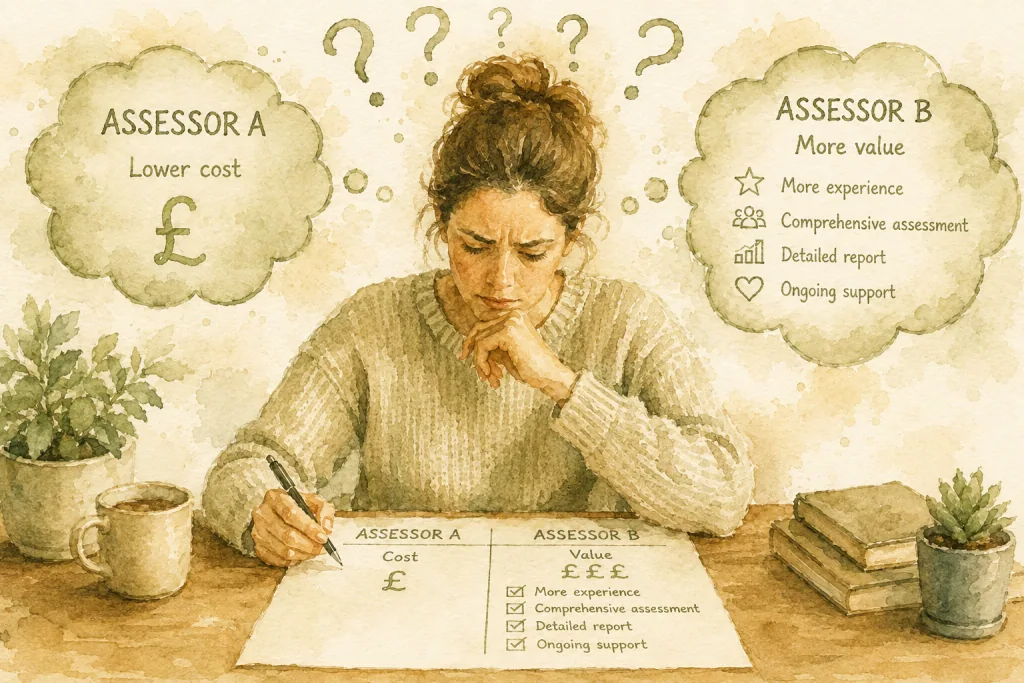
Dyslexia assessment fees vary by hundreds of pounds. Here is what sits behind the price tag (assessor qualifications, testing time, the written report and the follow-up) so you can compare quotes fairly.
Read the article
Remote assessment has become an increasingly common question, and for good reason. For many families and adults, the ability to access a qualified dyslexia assessor without travelling…
Read the article
Remote dyslexia assessment is simpler to set up than most people expect. This guide explains the equipment, space and materials needed, in plain English.
Read the article
Right to Choose is an NHS pathway in England, most often discussed for ADHD and autism assessment. A diagnostic dyslexia assessment is an educational assessment, so it usually sits outside that route. Here is what that means in practice.
Read the article
One of the most common misconceptions about dyslexia assessment is that you need a GP referral to access one. It comes up regularly, and it is understandable. Many specialist services…
Read the article
For many families living with dyslexia, homework is one of the most challenging parts of the day. What should take twenty minutes can stretch into an hour or more, ending in tears,…
Read the article
Of all the challenges that come with dyslexia, the impact on a child's self-esteem is perhaps the one that worries parents most deeply. Watching your child conclude that they are not…
Read the article
When families and adults decide to seek a dyslexia assessment, one of the first questions they ask is how long it will take. The honest answer is that it depends enormously on the route…
Read the article
One of the most common practical questions about dyslexia assessment is simply how long it takes. It is a straightforward question, and it deserves a clear answer, though the full…
Read the article
If you have started looking into getting your child assessed, you may have noticed that prices vary enormously, sometimes by hundreds of pounds. That can feel confusing, and even a…
Read the article
If you've raised concerns about your child's learning and been told by the school that they can't diagnose dyslexia, you're not alone. It's one of the most common things parents hear,…
Read the article
It is one of the most confusing and isolating experiences a parent can have. You know something is not quite right. You have raised your concerns with school. A screener has been carried…
Read the article
After a dyslexia assessment, you will receive a written report. For many families and adults, this is the document they have been working towards, and it can feel like a lot to take in…
Read the article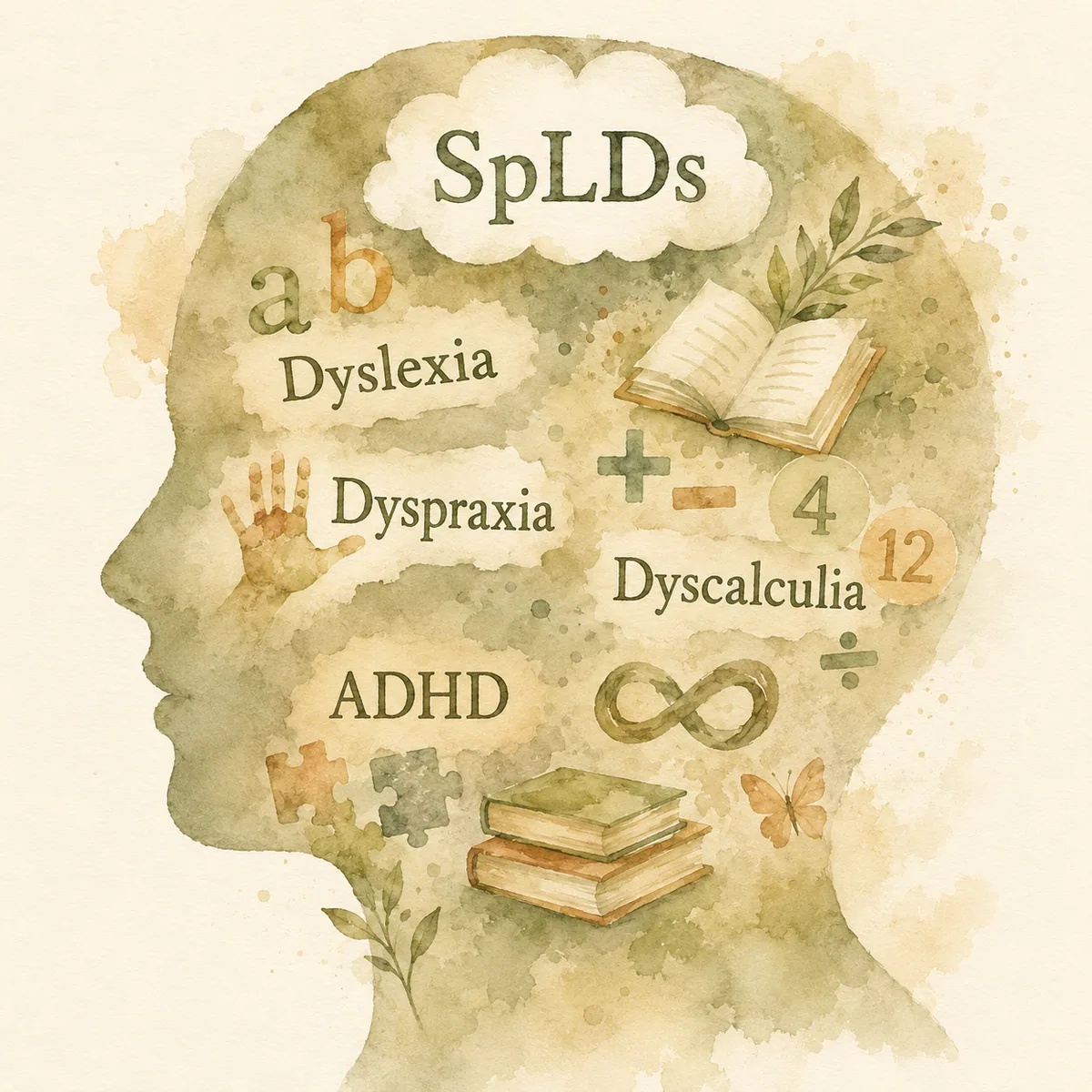
If you've been looking into support for your child's or your learning difficulties, you've probably come across the term SpLD and wondered exactly what it means. It's one of those pieces…
Read the article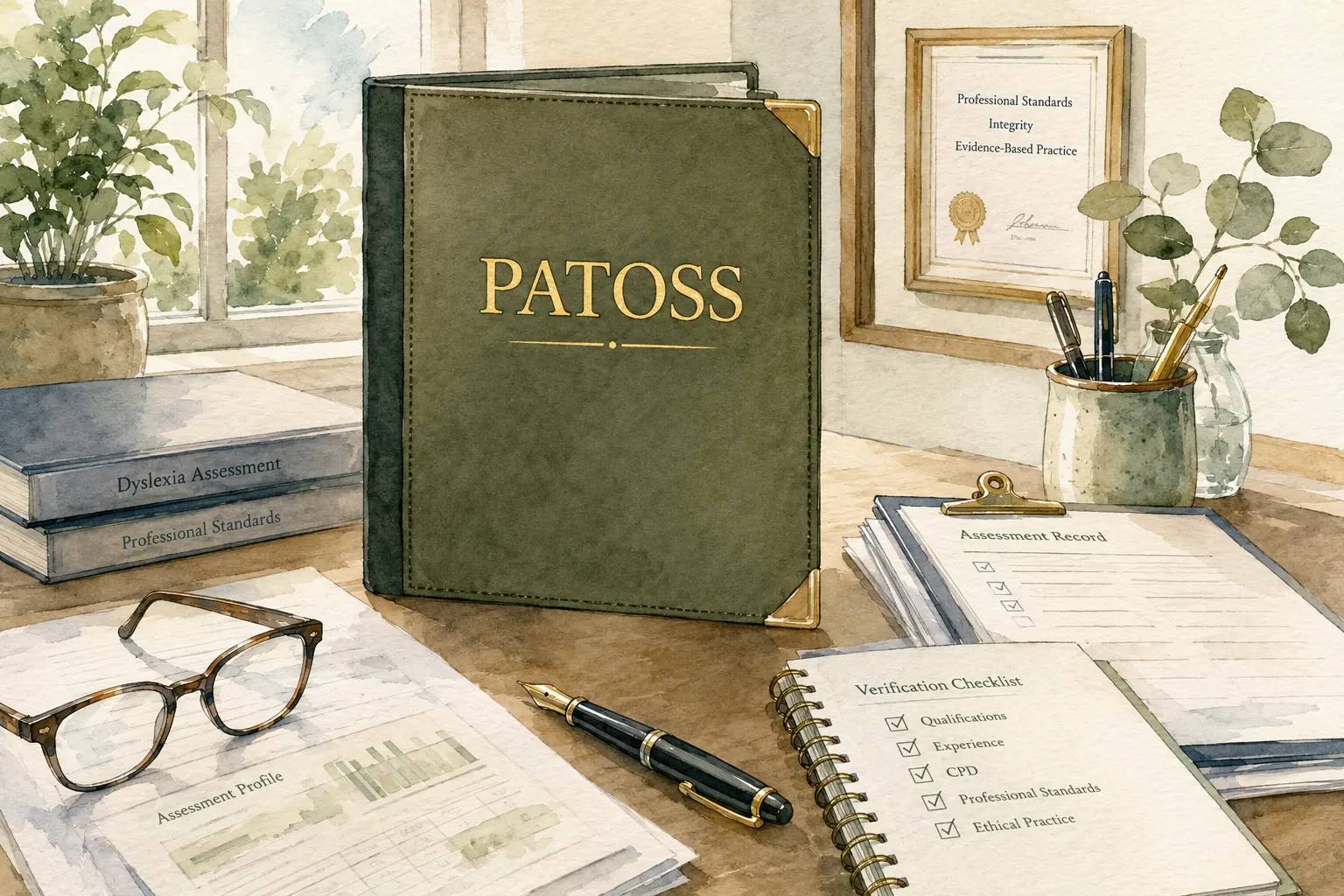
When you start looking for a dyslexia assessor, you will quickly encounter a set of terms and abbreviations that can feel overwhelming. PATOSS, BDA, Dyslexia Guild, Level 7, practising…
Read the article
Once a dyslexia assessment is booked, it is natural to wonder whether there is anything you should do beforehand. The answer is yes, though the preparation involved is straightforward…
Read the article
When a parent suspects their child may have dyslexia, the instinct is to act quickly. That instinct is completely understandable, and in most respects it is the right one. Early…
Read the article
Going to university is a significant step for any student. For students with dyslexia, it can also bring a fresh set of questions. Additionally, it can bring relief, because university…
Read the article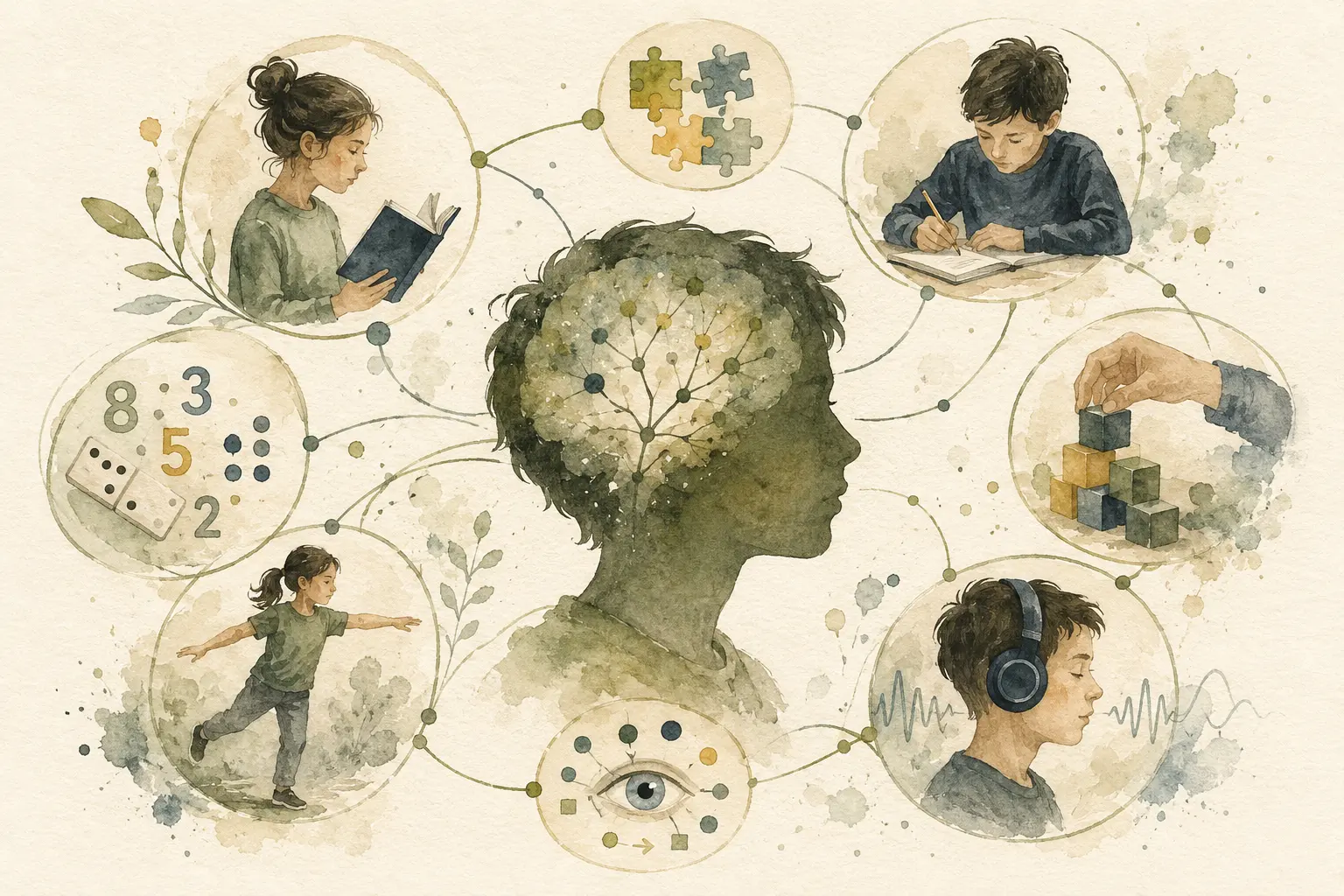
If you've started looking into dyslexia, you may have come across the term SpLD. It can feel like yet another piece of jargon to decode. Additionally, understanding what it means can…
Read the article
If you are a student with dyslexia, or the parent of one heading to university, you may have come across the term DSA. It is one of the most significant sources of support available, and…
Read the article
If you've started looking into getting your child assessed for dyslexia, you may have come across the term Educational Psychologist (or EP) and wondered whether that's what you actually…
Read the article
If your child has dyslexia (or you suspect they might) you may already have noticed something beyond the reading and spelling difficulties. A reluctance to try. A child who says…
Read the article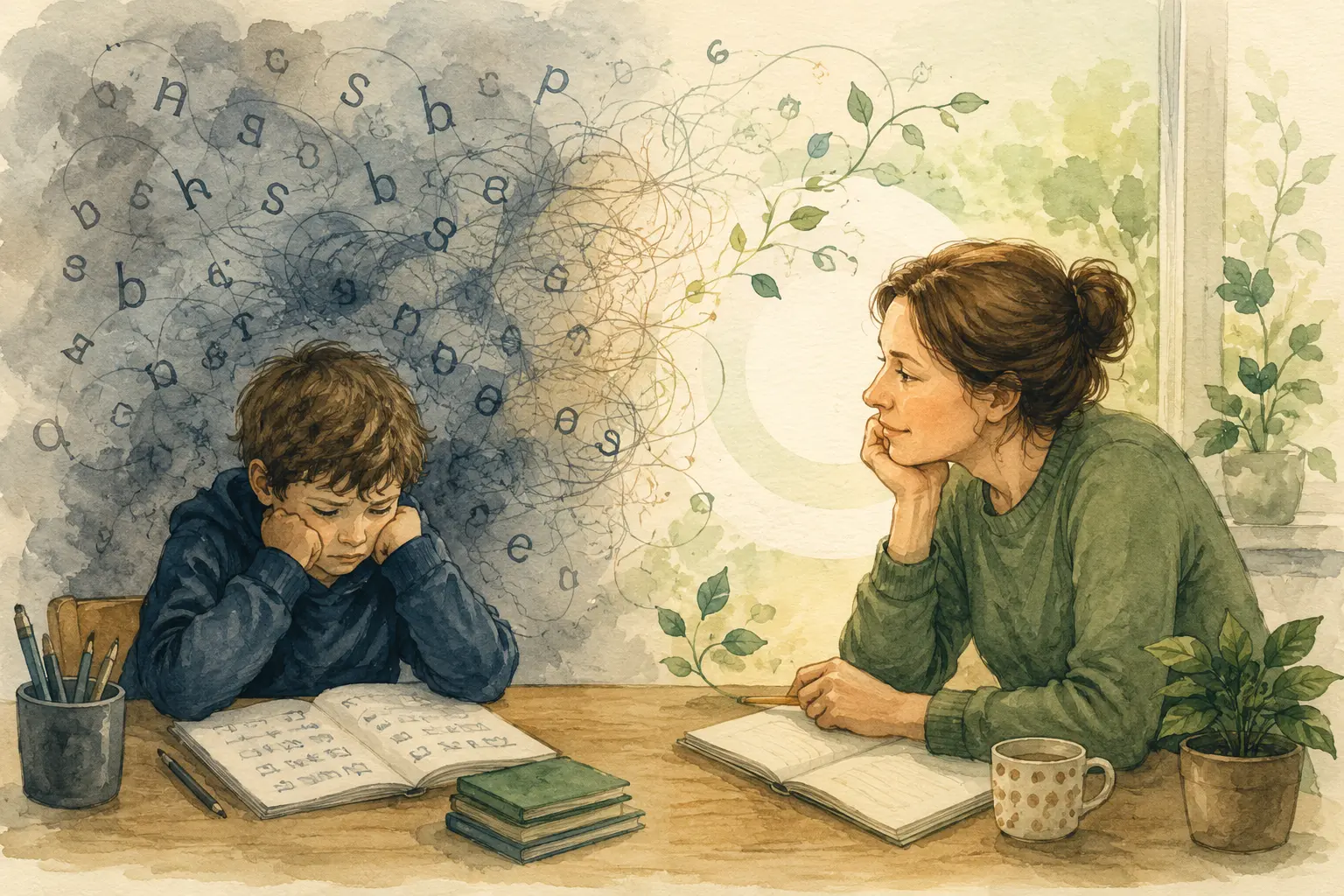
You've been called in again. The school says your child is being disruptive, refuses to engage, and isn't trying hard enough. But something doesn't add up. At home, you see a curious,…
Read the article
As a parent, noticing that your child is struggling can be worrying and at times, isolating. You may have spent weeks or months observing difficulties at home, wondering whether to raise…
Read the article
Many adults living with dyslexia were never identified during their school years. Some developed coping strategies so effective that their difficulties went unnoticed by teachers and…
Read the article
If you've noticed that your child is struggling with reading, writing, or spelling despite working hard and receiving support, you may be wondering whether dyslexia could be a factor.…
Read the article
One of the questions parents ask most often before booking an assessment is a quietly anxious one. What if it comes back and there's nothing there? What if we've worried all this time…
Read the article
If you're an adult who has spent years suspecting you might have dyslexia, you'll probably recognise a particular pattern of thinking. You've managed this far. You've developed ways of…
Read the article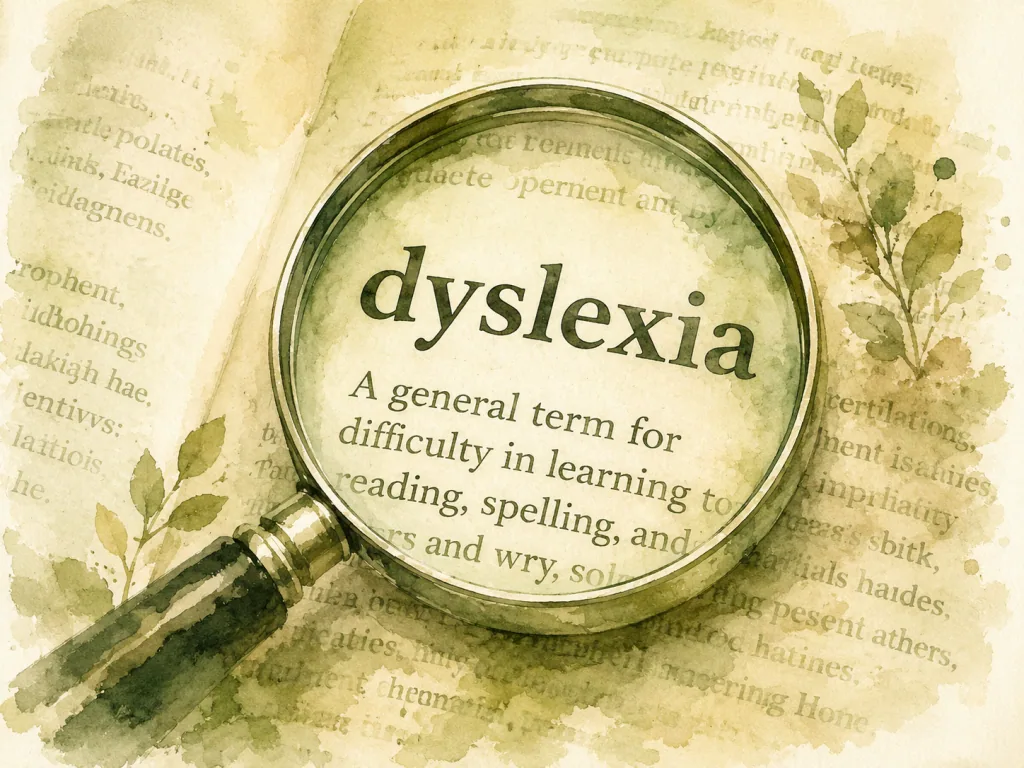
If you've been searching online for help with your child's reading or writing difficulties, you've probably come across both terms, dyslexia test and dyslexia assessment. They're often…
Read the article
Receiving a dyslexia assessment as an adult can be a genuinely life-changing moment. For many people it brings an enormous sense of relief, finally having an explanation for…
Read the article
Getting a dyslexia assessment for your child is a significant step, and for many parents, it brings a real sense of relief. Finally, having clarity after months or even years of…
Read the article
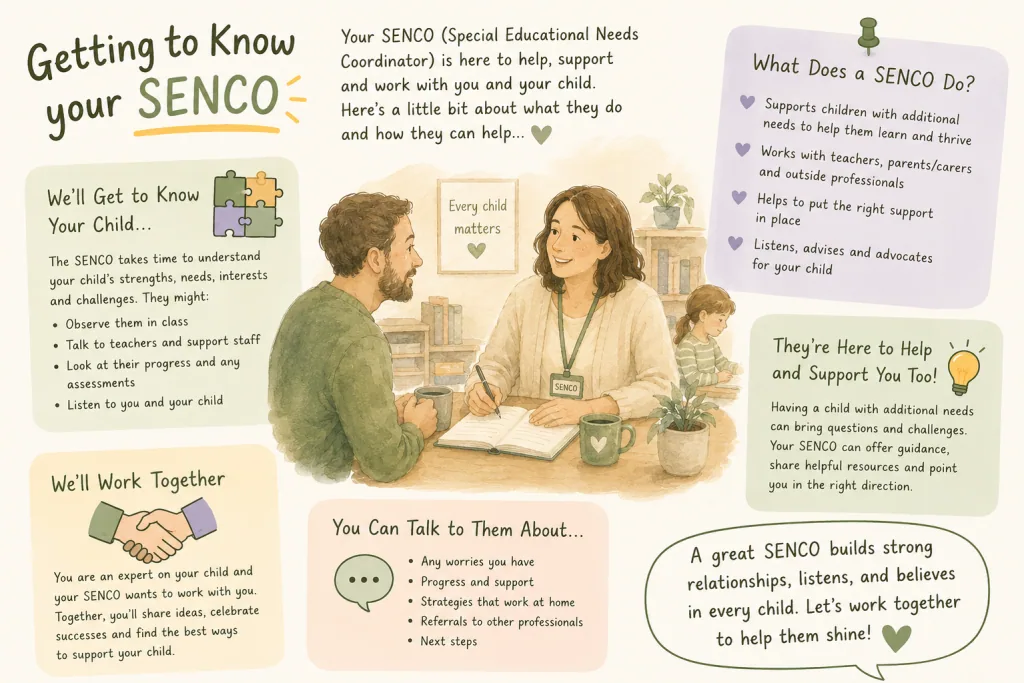
If you have concerns about your child's learning, one of the most important steps you can take is building a good relationship with your school's SENCo. Their Special Educational Needs…
Read the article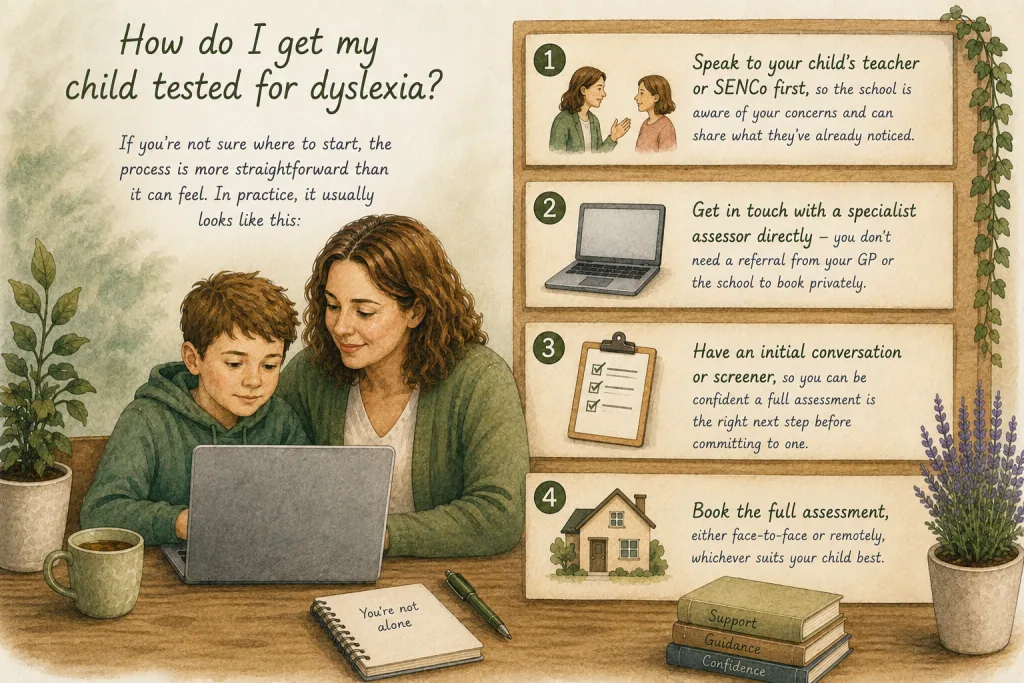
If you've found yourself searching for answers about your child's reading, writing, or spelling difficulties, you're not alone. Many parents reach a point where they know something isn't…
Read the article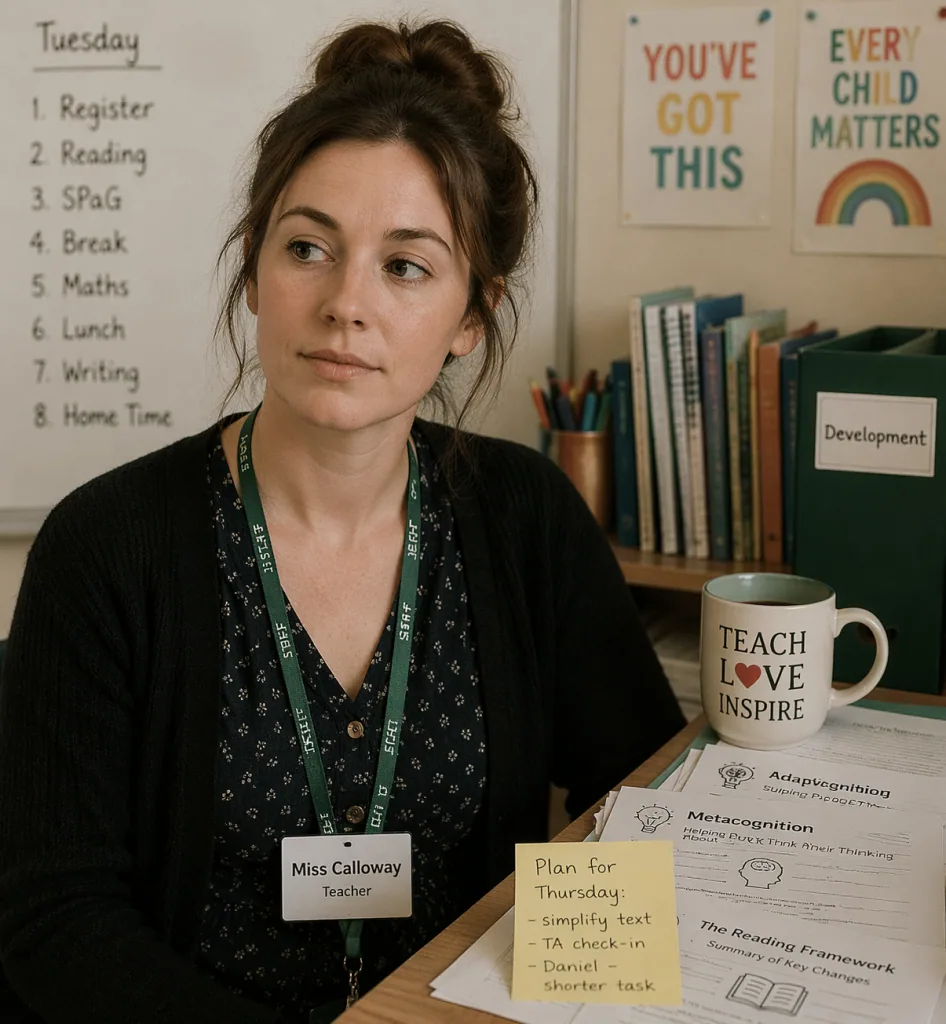
Miss Calloway had been teaching for three years, which was long enough to feel competent and short enough to still feel uncertain about feeling competent.
Read the article
Laura knew before anyone told her. That was the thing she would say afterwards, when there was an afterwards to speak of.
Read the articleMore articles from the existing Knowledge Centre are being added here. In the meantime you can browse the full archive.
If reading raises questions
Articles can only take you so far. If something here sounds familiar, a free 15-minute telephone call is a straightforward way to talk it through. There is no obligation afterwards, and free indicator checks are available if you would rather start on your own.