

Skip to content
Defining Dyslexia

Knowledge Centre

Clear, practical dyslexia guidance you can actually use

A growing library of plain-English articles on dyslexia, assessment and support, written by Mark, a specialist dyslexia assessor, for parents, adults, students, schools and professionals. Browse by topic, or search for the question you came here with.

Searching filters the article library below. More articles are added regularly.

Browse by topic

Find guidance for your situation

Topic areas

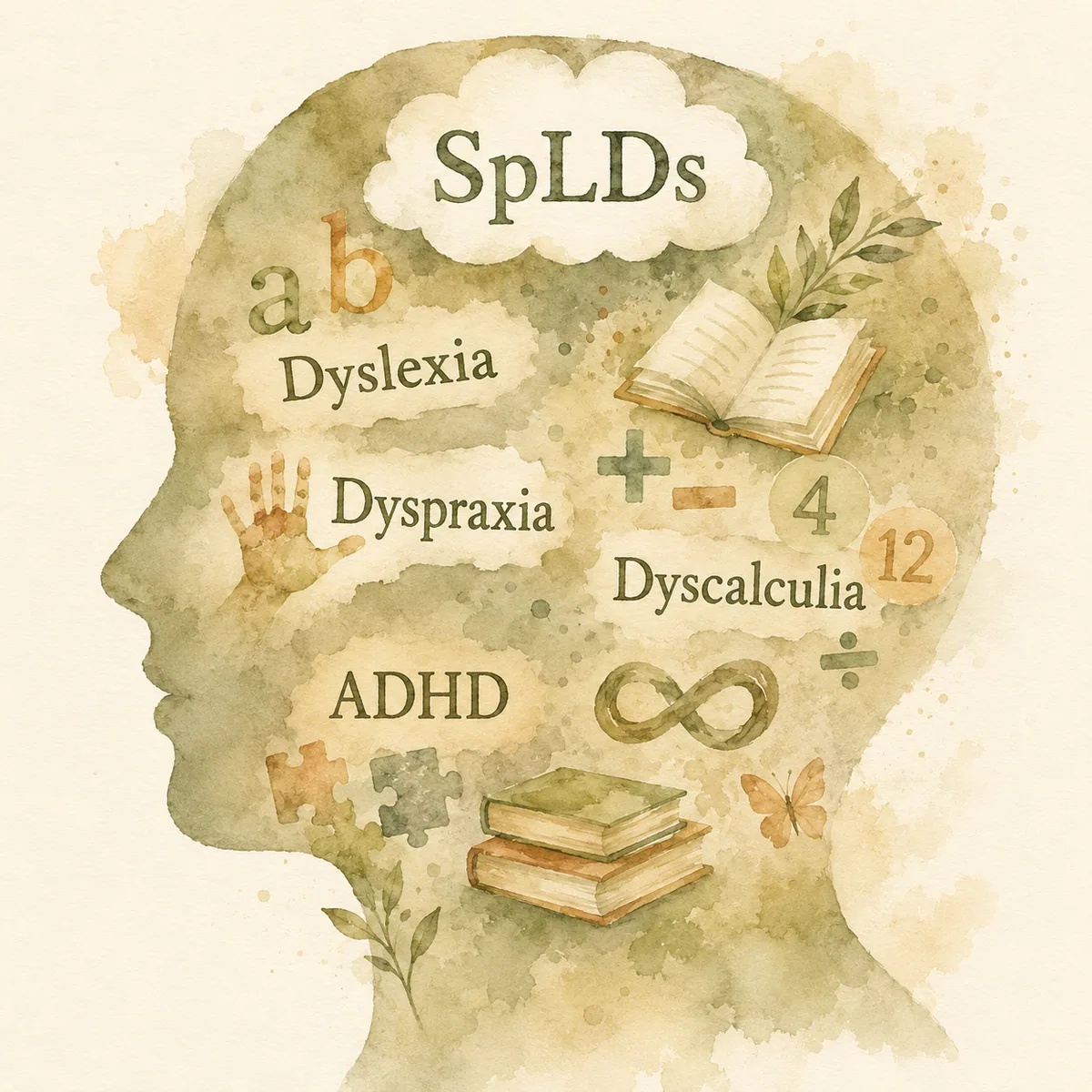
Parents & familiesGuidance for parents and carers: what dyslexia can look like at home and at school, when to act, and how to make sense of what you are seeing.22 articles Dyslexia assessmentsHow diagnostic assessment works, what a report contains, how to choose an assessor and what happens afterwards.20 articles School & educationWorking with schools, colleges and universities: screening, exam access arrangements, SENCos and classroom support.12 articles Understanding dyslexia & SpLDsWhat dyslexia and related specific learning difficulties actually are, how they present, and how they overlap.9 articles Adult dyslexiaDyslexia in employment, training, study and everyday life, and what seeking an assessment as an adult involves.14 articles After diagnosisWhat happens once you have a report: talking to school or work, using the recommendations and finding practical support.2 articles Apps & TechnologyPractical reviews of apps, software and technology that may help neurodivergent people with learning, organisation and everyday life. I look at what the tools actually do, where they might help and what the evidence does — and does not — tell us.3 articles Local guidesLocal guidance for families and adults in Sheffield, South Yorkshire, Peterborough, Cambridgeshire, Stamford and Rutland.10 articles For young peopleDyslexia and YouA separate hub written for children and young people themselves, not for adults, with pages for primary school, secondary school and sixth form or college.Open the young people’s hub

Pathway

Evidence and adjustments

Clear guidance about evidence for school examinations, university and DSA, driving theory tests, professional qualifications, apprenticeships, workplace adjustments, DLA and PIP.

Looking for practical tools rather than paperwork? Our guide to technology and assistive tools for dyslexia covers reading, writing, speech-to-text, planning and study support for children, adults, students and professionals.

Featured guidance

For children and young people

Dyslexia and You — pages written for young people, not for adults

Short, friendly pages a dyslexic child or teenager can read themselves: what dyslexia does and does not mean, strengths, people they may recognise, and practical ideas for each stage of school and college.

Article library

Browse everything in the Knowledge Centre

Article library

Showing 92 of 92 articles

Watercolour illustration of an adult at a kitchen table with a tablet and notebook, with soft shapes suggesting books, words and numbers.
Apps & Technology

Elevate: A Useful App for Dyslexic Adults?

I use Elevate and enjoy it. Unlike purely abstract brain-training games, several of its activities involve functional skills such as reading, comprehension, vocabulary and writing — which makes it more interesting, and worth looking at carefully.

Read the article

Can Dyslexia Be Mild?
Dyslexia assessments

Can Dyslexia Be Mild?

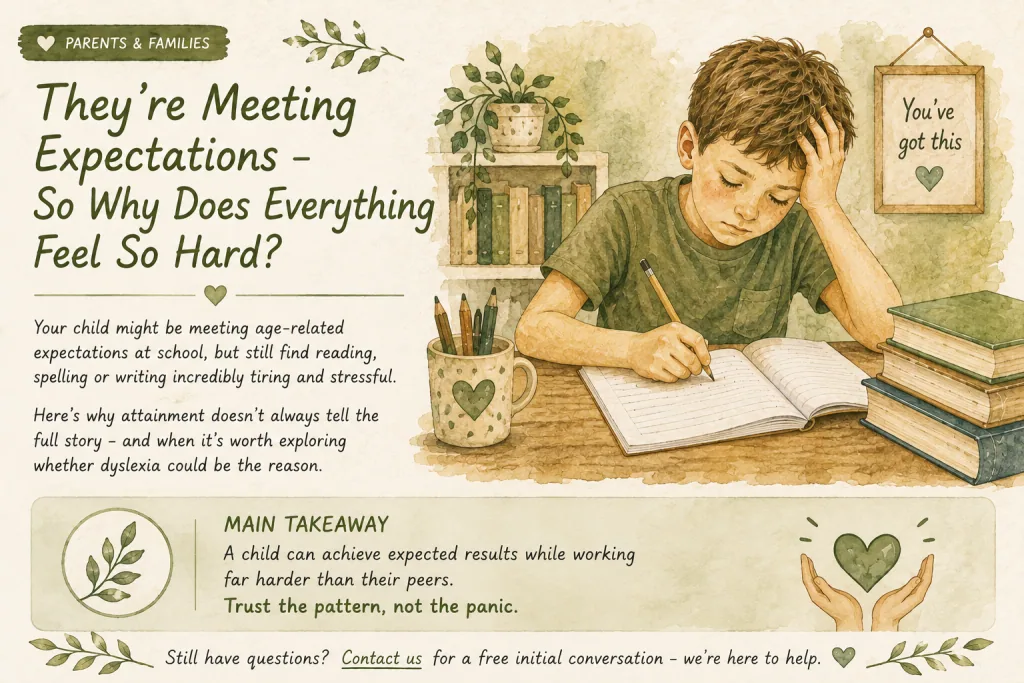
It is a question that comes up often, particularly from parents whose child is managing in school but clearly finding things harder than they should. Can dyslexia be mild? And if it can,…

Read the article

More articles from the existing Knowledge Centre are being added here. In the meantime you can browse the full archive.

If reading raises questions

You are welcome to ask

Articles can only take you so far. If something here sounds familiar, a free 15-minute telephone call is a straightforward way to talk it through. There is no obligation afterwards, and free indicator checks are available if you would rather start on your own.

Book a free 15-minute telephone callChoose a convenient time for a relaxed, no-obligation telephone call. Mark will call you using the number provided when booking.Free resources